How to Come Out of Stress and Live a Peaceful Life (Step-by-Step Guide)
“Stress to sabko hota hai, par ab mujhe zyada ho raha hai.” If you’ve been feeling overwhelmed for weeks or months, it’s time to make a change. Stress doesn’t have to be your default state. You can learn to release it and cultivate a peaceful mind.
This step‑by‑step guide is designed to help you gradually break free from chronic stress and build a life of calm and clarity. Each step is small, doable, and rooted in real‑world practice.
Try Our Guided Breathing Timer
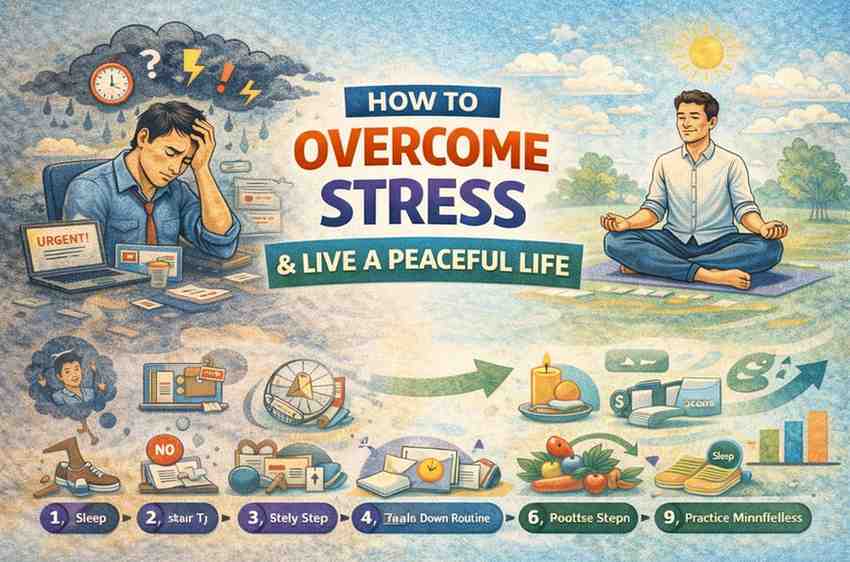
Step 1: Acknowledge, Don’t Avoid
1 The first step is to admit that you’re stressed. Say it out loud: “I am feeling overwhelmed, and that’s okay.” Suppressing emotions only makes them stronger. Write down what’s bothering you—no filter.
Step 2: Identify Your Stress Triggers
2 For one week, note when stress spikes. Is it work emails? Family gatherings? Financial worries? Once you see patterns, you can address the root causes rather than just symptoms.
Step 3: Create a “Calm Down” Ritual
3 Choose a simple, 5‑minute ritual to use when stress hits. It could be deep breathing, stepping outside, or listening to a calming song. Repetition trains your brain to switch into relaxation mode faster.
Step 4: Set Boundaries
4 Learn to say no. You don’t have to attend every social event, take on extra work, or be available 24/7. Boundaries protect your energy.
Step 5: Move Your Body Daily
5 Exercise is a natural stress reliever. Even a 10‑minute walk can lower cortisol. Find a movement you enjoy—dancing, yoga, or simple stretches—and make it a daily habit.
Step 6: Prioritize Sleep
6 Lack of sleep makes stress unbearable. Aim for 7‑8 hours. Create a wind‑down routine: no screens 1 hour before bed, dim lights, and perhaps a warm bath.
Step 7: Nourish Your Body
7 What you eat affects your mood. Reduce caffeine and sugar, which can spike anxiety. Eat regular, balanced meals with vegetables, protein, and healthy fats.
Step 8: Connect with Supportive People
8 Isolation fuels stress. Spend time with people who lift you up—even if it’s a phone call. Consider joining a support group or talking to a therapist.
Step 9: Practice Mindfulness
9 Mindfulness is the art of being present. Start with 2 minutes of sitting quietly, focusing on your breath. Apps or guided meditations can help.
Step 10: Seek Professional Help if Needed
10 There’s no shame in therapy. A mental health professional can give you personalized tools to manage stress and address underlying issues like anxiety or depression.
Explore Online Therapy Options
📖 Real‑Life Story: From Chronic Stress to Peace
Sanjay, a 40‑year‑old business owner, was constantly on edge. He couldn’t sleep, snapped at his family, and felt a constant knot in his stomach. He started with Step 1: admitting he needed help. He gradually implemented the steps—setting work boundaries, taking short walks, and seeing a counselor. Six months later, he says: “I didn’t realize how much stress I was carrying. Now I actually enjoy my life.”
❓ FAQs About Overcoming Stress
It varies. With consistent effort, you may notice improvements in weeks, but full recovery can take months. Be patient with yourself.
No, stress is part of life. But you can change your response to it and build resilience so it doesn’t overwhelm you.
Sometimes deeper issues like trauma or clinical depression need professional help. Don’t hesitate to reach out.
Consistency is key. Continue your calming rituals, keep boundaries, and regularly check in with yourself.
Yes. Research shows regular meditation reduces stress hormones and changes brain structures related to emotional regulation.
🔗 More Resources from Mind Care Journey
Visit Mind Care Journey
Disclaimer: This content is for informational purposes only. If you are experiencing severe stress or mental health symptoms, please consult a qualified professional.