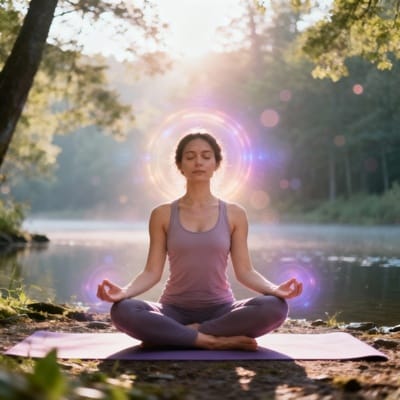
🧘♀️ Unlocking the Power of Meditation for Emotional Health
In a world full of notifications, deadlines, and emotional pressure, it’s easy to feel mentally overloaded. Meditation offers a gentle, practical way to slow down, reconnect with yourself, and restore emotional balance — without needing any special equipment or complicated rules.
Unlike quick fixes or “one-size-fits-all” trends, mindfulness meditation is grounded in research and lived experience. Regular practice has been linked with lower stress, better mood, improved focus, and a deeper sense of inner stability. Whether you’re just beginning or looking to deepen your practice, this guide is designed to support you with simple steps, real stories, and helpful tools.
🧩 What Is Meditation and Why Does It Help Emotional Health?
Meditation is an intentional practice of focusing your attention — often on the breath, a sound, a phrase, or gentle movement — to build awareness and presence. Over time, this practice can change how your brain and nervous system respond to stress.
What Happens in the Brain?
Research suggests that regular meditation can reduce activity in the amygdala (the brain’s “alarm” center for fear and stress) and strengthen areas involved in focus and emotional regulation.
This doesn’t mean you never feel stressed — it means you are less likely to be consumed by it and more able to respond thoughtfully instead of reacting impulsively.
Emotional Benefits Over Time
With steady practice, many people report feeling calmer, less reactive, and more compassionate toward themselves and others. This often translates into better relationships and a stronger sense of inner stability.
Meditation also complements other mental health tools like therapy, journaling, and healthy lifestyle changes.
📚 Science-Backed Benefits of Mindfulness Meditation
- Reduces anxiety and everyday stress: Mindfulness can lower stress hormone levels and soothe the nervous system, helping you feel less overwhelmed.
- Improves mood & positive thinking: Regular practice is linked with more balanced emotions and fewer negative thought patterns.
- Supports emotional healing: Focusing on the breath and body can help you gently process painful feelings instead of pushing them away.
- Builds resilience: Meditation strengthens your ability to bounce back from setbacks and stay grounded in tough situations.
- Deepens self-awareness: You start recognizing triggers, patterns, and needs more clearly — which is powerful for emotional growth.
- Enhances focus & mental clarity: You train your mind to come back again and again to the present, which supports concentration in work and study.
💬 Real Stories: How Meditation Changes Lives
🚀 How to Start Meditating (Even If You’re Skeptical or Busy)
You don’t have to sit for an hour on a mountain to meditate. Start small and make it realistic for your lifestyle.
- Choose a small commitment: Begin with 3–5 minutes daily. Morning, lunch break, or before bed — pick a time you can repeat.
- Find a comfortable position: Sit on a chair, cushion, or bed with your back supported. Comfort is more important than perfect posture.
- Focus on your breath: Close your eyes gently (or lower your gaze) and notice your natural breathing — the rise and fall of your chest or belly.
- Handle distractions kindly: Thoughts will appear — that’s normal. When you notice you’re distracted, simply label it “thinking” in your mind and return to the breath.
- Reflect after practice: After you finish, note one thing you observed — a feeling, a thought, or a body sensation.
🌼 Simple Mindfulness Techniques to Try
- Breath awareness: Count your breaths if it helps — inhale for four, exhale for six. Repeat gently.
- Body scan: Bring attention from head to toe, noticing tension and softening each area as you move through the body.
- Guided visualization: Imagine a peaceful place (forest, river, beach) and explore it with all your senses. You can enhance this with calming scents using an Aromatherapy Diffuser Kit.
- Loving-kindness (Metta): Repeat phrases like “May I be safe. May I be calm. May I be kind to myself.” Then extend these wishes to others.
- Movement meditation: Practice gentle yoga or slow walking, paying attention to each step or stretch. A supportive Anti-Slip Yoga Mat can make this easier and safer.
🛠️ Helpful Meditation Tools & Products (Affiliate Recommendations)
You don’t need any tools to meditate — your breath is enough. But some people find that certain devices and accessories make it easier to stay consistent and create a calming environment. The products below are shared as gentle options you can explore.
Real-Time Feedback & Guidance
Tech-based tools can guide you through meditation and give feedback on your practice.
Muse Meditation Headband → Designed for those who like data and structure in their practice.Gratitude & Reflection Journal
Writing for a few minutes after meditation can help you integrate the experience and reinforce positive thinking.
The 5-Minute Gratitude Journal →Create a Calm Meditation Space
A peaceful corner with soft light and calming scents can send a clear signal to your body that “this is a time for slowing down.”
Aromatherapy Diffuser Kit →Support for Movement Meditation
Gentle yoga or stretching can be a form of moving meditation that helps release physical tension and quiet the mind.
Anti-Slip Yoga Mat →Support for Stress & Balance
Some people use traditional herbs like Ashwagandha as part of their overall stress-management routine, alongside practices like meditation, good sleep, and healthy food.
Ashwagandha Supplements → Always speak with a healthcare professional before starting any supplement.Protect Your Eyes & Evening Routine
Reducing blue light exposure in the evening can support better wind-down, making it easier to transition into meditation and sleep.
Blue Light Filter Glasses →Grounding for Restless Moments
Fidget or sensory tools can be helpful for short mindful breaks — especially if you tend to feel restless or anxious.
Silicone Sensory Fidget Board Toy →Support for Sleep & Night-Time Calm
Some people use melatonin-based products to support falling asleep more easily while they build better sleep habits.
Vicks ZzzQuil Natura Sleep-Aid Gummies → Use carefully and usually for short-term support, with medical guidance where needed.
Note on Affiliate Links:
Some links in this article are affiliate links. If you choose to purchase through them, we may earn a small commission —
at no extra cost to you. This supports the work of Mind Care Journey in creating free, awareness-based mental health content.
🌱 Tips to Build Consistency & Motivation
- Set a gentle reminder on your phone or calendar for the same time each day.
- Start with guided meditations on a trusted app or YouTube channel if silence feels intimidating.
- Join an online or local meditation group for accountability and shared energy.
- Pair meditation with another habit, like tea time or journaling, to make it easier to remember.
- On difficult days, even one minute of slow, conscious breathing counts — consistency matters more than length.
🤝 How Meditation Supports Relationships & Emotional Intelligence
As your reactivity decreases and awareness grows, you may notice shifts in your relationships. Meditation can help you:
- Pause before reacting in anger or frustration.
- Listen more deeply to others without immediately judging or defending.
- Express your feelings more clearly and honestly.
- Show greater empathy — especially in parenting, caregiving, and leadership roles.
Emotional intelligence is not something you are born with or without — it can be gradually nurtured, and meditation is one powerful pathway.
🧑⚕️ When to Seek Extra Support
Meditation is a valuable wellness tool, but it is not a replacement for professional mental health care. Please consider reaching out to a counselor, psychologist, or psychiatrist if:
- You experience ongoing anxiety, low mood, or mood swings that disrupt daily life.
- You feel emotionally numb, hopeless, or overwhelmed most of the time.
- You have trouble functioning at work, school, or in relationships despite self-help efforts.
- You notice thoughts of self-harm or feel like you don’t want to continue.
Seeking support is a sign of courage. Meditation can work beautifully alongside therapy and medical care as part of a holistic healing plan.
🌿 My Journey: A Personal Meditation Story
There was a time when pressure from work, family responsibilities, and unresolved emotions felt like too much. Sleep was light, headaches were frequent, and small triggers led to big reactions. I discovered guided meditation almost by accident — and at first, sitting still felt impossible.
Over time, I built tiny rituals: a few deep breaths before checking my phone in the morning, three minutes of mindful sitting in the evening, and simple gratitude journaling. Slowly, my nervous system began to trust that stillness was safe. My reactions softened, my patience grew, and life felt less like a fight — more like a conversation with myself.
The biggest lesson: you don’t have to “empty your mind” or do it perfectly. Just show up as you are, breathe, and let each session be a small gift to your future self.
❓ Frequently Asked Questions (FAQ)
- How long until I notice benefits? Many people feel a bit calmer within a few days of daily practice. Deeper changes — like emotional balance and improved focus — usually build over weeks and months.
- Can meditation replace therapy or medication? No. Meditation is a powerful complement to mental health care, but decisions about diagnosis or medication should always be made with professionals.
- Which meditation style is best? The best style is the one you’re willing to practice consistently. Explore breath awareness, guided meditations, loving-kindness, or movement-based practices.
- What if my mind is too busy? Busy mind = normal human mind. Simply notice distractions, and gently return to your anchor (breath, sound, or movement). That process is the training.
🔗 Next Steps & More Resources
- Experiment with a 7-day meditation challenge using short, guided sessions.
- Combine meditation with breathing exercises, yoga, or gratitude journaling for deeper impact.
- Explore more self-care guides, tools, and mental wellness articles on our blog page.
This article is for educational and awareness purposes only and is not a substitute for professional medical advice, diagnosis, or treatment. Always consult a qualified healthcare professional with any questions about your mental or physical health. In an emergency or crisis situation, contact your local emergency services or nearest hospital immediately.
Affiliate Disclaimer:
This post includes affiliate links. If you choose to purchase through them, we may receive a small commission — at no extra cost to you. These recommendations are shared to highlight tools that some individuals find useful in their wellness routines. Your support helps Mind Care Journey continue offering free mental health and self-care content.