Stress Management: 8 Proven Techniques for Better Mental Health
Comprehensive Guide to Reducing Anxiety and Improving Wellbeing
Table of Contents
- Stress is natural, but chronic stress can harm your mental and physical health.
- Key signs include fatigue, headaches, irritability, sleep problems, and difficulty focusing.
- Movement, mindfulness, better sleep, healthy food, and social support can reduce stress.
- Supplements and tools may help, but they are not a replacement for professional medical care.
- Mindfulness and meditation to calm the nervous system.
- Regular exercise and movement to release tension.
- Healthy diet and limited caffeine for steady energy.
- Improved sleep hygiene and relaxing bedtime routines.
- Building a supportive network of people you trust.
- ✅ Move your body for at least 15–20 minutes.
- ✅ Take 3–5 minutes for mindful breathing or quiet reflection.
- ✅ Drink enough water and eat regular, balanced meals.
- ✅ Write down 3 things you are grateful for today.
- ✅ Set a time to disconnect from screens before bed.
Understanding Stress
Stress is a natural response to challenging or demanding situations. In small doses, short-term stress can be helpful—it motivates us to meet deadlines, avoid danger, and perform at our best. This type of stress is usually temporary and fades when the challenge ends.
However, when stress becomes chronic and unmanaged, it can negatively impact both mental and physical health, contributing to anxiety, low mood, and a range of physical symptoms. Over time, you may feel as though you are “always on edge” or never fully relaxed, even when nothing urgent is happening.
Our bodies are designed to handle acute stress through the “fight or flight” response, releasing hormones like adrenaline and cortisol. But when this system is constantly activated due to ongoing pressures, it can wear down our bodies and minds, making us more vulnerable to illness, emotional exhaustion, and burnout.
Common Causes of Stress
Identifying the sources of your stress is the first step toward managing it effectively. Common stressors include:
- Work pressure and job insecurity: Heavy workloads, tight deadlines, long working hours, or concerns about job stability.
- Financial struggles or debt: Money worries and financial responsibilities can create persistent anxiety and mental load.
- Relationship conflicts and family issues: Tensions with partners, children, parents, or friends can feel emotionally draining.
- Chronic health problems: Ongoing medical conditions, whether your own or a loved one’s, add physical and emotional strain.
- Major life transitions: Events like moving, changing jobs, marriage, divorce, or having a baby can be both exciting and stressful.
- Information overload: Constant exposure to news, social media, and notifications can make it hard to “switch off” mentally.
Everyone experiences stress differently. Two people may face the same situation but react in very different ways. That’s why it’s important to understand your personal triggers and patterns.
Signs of Chronic Stress
Chronic stress manifests in various ways. Recognizing these signs early can help you take action before stress takes a greater toll on your health:
- Constant fatigue or low energy: Feeling tired or drained even after adequate rest.
- Frequent headaches or muscle tension: Especially in the neck, shoulders, jaw, and back.
- Irritability and mood swings: Feeling on edge, overwhelmed, or snapping at minor annoyances.
- Difficulty concentrating: Mind feels foggy, scattered, or easily distracted.
- Sleep disturbances: Trouble falling asleep, staying asleep, or waking up unrefreshed.
- Changes in appetite: Eating much more or much less than usual.
- Withdrawing from social activities: Losing interest in things you used to enjoy or avoiding people.
If you recognize several of these signs in yourself for an extended period, it may be helpful to talk with a healthcare or mental health professional for additional guidance.
Effective Stress Management Techniques
Managing stress isn’t about eliminating all stressors—that’s impossible. Instead, it’s about developing healthy coping strategies that help you navigate challenges with greater resilience and self-compassion. Here are some powerful techniques to consider:
1. Mindfulness and Meditation
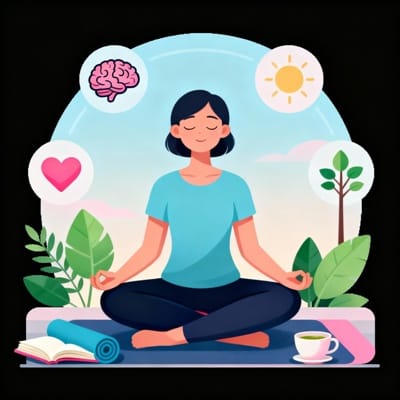
Mindfulness practices help you stay present and aware without judgment, calming your nervous system and reducing the impact of stress. Regular meditation can support emotional regulation and may improve focus and mood over time.
You can begin with just a few minutes a day, focusing on your breath, sensations in your body, or a short guided audio track. Consistency matters more than length.
Consider using tools like the Muse Meditation Headband to enhance your practice, or explore meditation apps that offer guided sessions for beginners and advanced users alike.
2. Exercise Regularly
Physical activity is one of nature’s most effective stress relievers. Exercise releases endorphins—natural mood elevators—and reduces levels of the body’s stress hormones. It also improves sleep and boosts confidence over time.
You don’t need intense workouts; even a brisk daily walk, light stretching, or gentle yoga session can significantly improve your mood and energy levels.
Using a comfortable Anti-Slip Yoga Mat makes home practice safer and more enjoyable.
3. Keep a Healthy Diet
What you eat directly affects how you feel. A diet high in processed foods, sugar, and excessive caffeine can increase anxiety, energy crashes, and irritability.
Focus on whole grains, fruits, vegetables, healthy fats, and adequate protein. Eating regular meals can help keep blood sugar stable and support more balanced mood and energy.
Some people also explore mood-supportive supplements like Ashwagandha, which has adaptogenic properties and may support the body’s stress response. Always consult a healthcare professional before starting any supplement.
4. Get Adequate Sleep
Quality sleep is vital for stress management and overall health. When you’re sleep deprived, everyday problems feel bigger, emotions are harder to manage, and your body doesn’t get the recovery time it needs.
Create a relaxing bedtime routine: dim the lights, avoid screens close to bedtime, and keep your bedroom cool and quiet. Try to go to bed and wake up at similar times each day.
Natural sleep aids like Vicks ZzzQuil Natura Sleep-Aid Gummies with melatonin may help with occasional sleep difficulties when combined with good sleep hygiene. Using an Aromatherapy Diffuser with calming scents like lavender can also promote relaxation for some people.
5. Build a Support Network
Strong social connections are a powerful buffer against stress. Sharing your feelings with trusted people can provide comfort, validation, and new perspectives.
Make time to talk to friends or family members you trust. If you’re dealing with significant stress or complex emotions, consider speaking with a therapist who can provide professional guidance and structured coping strategies.
Online support groups and communities can also be helpful, but they should complement—not replace—professional care when needed.
6. Practice Gratitude
Focusing on what you’re thankful for can gently shift your perspective away from constant worry and toward what is working in your life. Gratitude doesn’t erase stress, but it can balance your mental “spotlight.”
Consider keeping a gratitude journal like The 5-Minute Gratitude Journal to regularly acknowledge positive moments, supportive people, and small wins.
7. Take Regular Breaks
Whether you’re working at a desk, managing a household, or caregiving, taking short breaks can prevent burnout. Our brains and bodies need time to reset.
Try the Pomodoro Technique: work for 25 minutes, then take a 5-minute break. During breaks, stand up, stretch, drink water, or practice a few deep breaths.
Using Sensory Fidget Toys can also help some people release tension and refocus during short pauses.
8. Protect Your Eyes and Nervous System
If you spend significant time in front of screens, eye strain, headaches, and fatigue can quietly amplify your stress levels.
Follow the 20-20-20 rule: every 20 minutes, look at something 20 feet away for at least 20 seconds. Lower screen brightness in the evening and avoid scrolling in bed.
Consider wearing Blue Light Filter Glasses to reduce eye strain during long screen hours, especially if work demands you to be online for most of the day.
Conclusion
Stress is an inevitable part of life, but with healthy coping strategies, you can protect your mental well-being and even grow through challenges. The goal is not to eliminate all stress but to build resilience and create space for rest, reflection, and support.
Start small: choose one or two techniques from this guide and practice them consistently for a week or two. Observe how your body and mind respond. Over time, you can create a personalized stress management toolkit that fits your lifestyle and values.
Remember, managing stress is an ongoing process, not a one-time fix. Be patient and gentle with yourself as you experiment, learn, and adjust. Your mental health is worth the effort and care.
Frequently Asked Questions
Common signs include constant fatigue, frequent headaches, irritability, difficulty concentrating, sleep disturbances, changes in appetite, and withdrawing from social activities. If these signs continue for several weeks, consider seeking professional guidance.
Mindfulness practices help calm your nervous system, reduce the impact of stress, and increase your awareness of thoughts, emotions, and body sensations. Over time, this can support better emotional regulation and more balanced responses to daily challenges.
You don’t need intense workouts. Brisk walking, gentle yoga, stretching, or dancing to your favorite music can significantly improve mood and energy levels by releasing endorphins and reducing stress hormones. The best exercise is the one you can do regularly.
Some supplements like Ashwagandha have adaptogenic properties that may help your body manage stress more effectively. However, responses can vary from person to person, and supplements are not a replacement for therapy or medical care. Always speak with a healthcare professional before starting any new supplement.
Affiliate Disclosure: This article contains affiliate links. If you purchase products through these links, we may earn a small commission at no extra cost to you. This helps support our work in providing awareness-based content about mental health and wellness. We only highlight products that are relevant to the topics discussed.
Medical Disclaimer: This content is for informational and educational purposes only and is not a substitute for professional medical advice, diagnosis, or treatment. Always seek the advice of your physician or other qualified health provider with any questions you may have regarding a medical or mental health condition.