Mental Health Awareness: The Real Strength of Your Life (2025)
Introduction
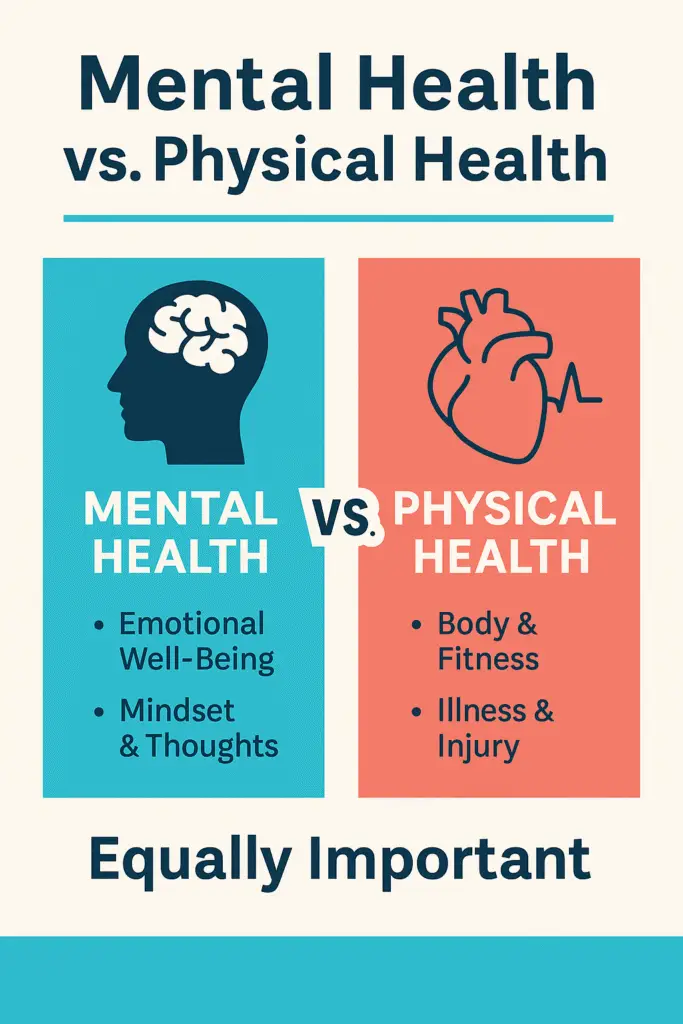
In today’s fast-moving world, most people focus on physical fitness — workouts, diet plans, and skincare — but often ignore one of the most important parts of overall well-being: mental health.
A healthy body cannot truly thrive without a healthy mind. Real happiness, meaningful productivity, and inner peace come when body and mind are in balance. Mental health is not only about the absence of illness; it is about how you think, feel, handle stress, and connect with others in your day-to-day life.
The Hidden Mental Health Crisis We Often Overlook
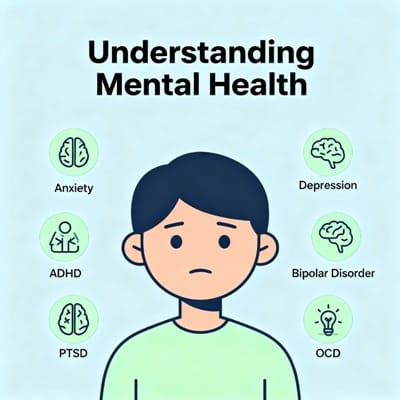
Unlike many physical illnesses, most mental health problems are invisible. Conditions like depression, anxiety, and chronic stress can silently drain a person’s confidence, motivation, and joy for life. On the outside, a person may look “fine”, but inside they might be struggling.
According to global estimates, around 1 in every 8 people worldwide lives with a mental health condition. Yet, many do not seek help — often due to stigma, fear of judgment, lack of awareness, or limited access to services.
In rural and low-resource areas, mental health professionals are rare. People in distress are frequently misunderstood, labeled as “weak”, or blamed for their problems. As a result, their pain remains unrecognized and untreated for years.
Awareness campaigns, counseling services, and open conversations can help — but they are still limited in many regions. That is why talking about mental health is more important than ever — at home, at school, in workplaces, and within our communities.
When we treat mental health problems early, people have a better chance of recovery, better relationships, and a more stable life.
Warning Signs You Should Never Ignore
Early detection and support can change — and sometimes save — lives. Not everyone shows the same symptoms, but these are some common warning signs of mental and emotional stress:
If you notice these signs in yourself or someone close to you, do not ignore them. Gently encourage a conversation. Talking to a trusted friend, family member, counselor, or mental health professional can be the first step towards healing.
If someone talks about wanting to harm themselves or feels that life is not worth living, it is important to seek immediate professional help or contact local emergency services or a mental health helpline.
Simple Daily Habits to Protect Your Mental Well-Being
You don’t always need big lifestyle changes. Even small daily habits can protect and support your mental health. You can start with one or two and slowly build more:
1. Talk About Your Feelings
- Share your thoughts with a trusted friend or family member.
- Use “I feel…” statements instead of blaming others.
- If you find it hard to speak, write your feelings in a notebook first.
2. Create Healthy Digital Boundaries
- Decide a fixed time to check social media instead of scrolling all day.
- Unfollow pages that constantly make you feel less confident or anxious.
- Use your phone’s “Do Not Disturb” mode during sleep or focus time.
3. Practice Mindfulness and Relaxation
- Spend 10 minutes a day focusing on your breath.
- Try a simple body scan: notice tension in your shoulders, jaw, or back and consciously relax them.
- Sit near a window or in nature and observe your surroundings quietly.
4. Move Your Body Regularly
- Go for a short walk after meals.
- Do light stretching if you sit for long hours.
- Choose movement you enjoy (walking, dancing, yoga, cycling, etc.).
5. Seek Professional Help When Needed
Therapy or counseling is not a sign of weakness. It is a sign of strength and self-respect. A trained professional can help you:
- Understand your patterns of thinking and behavior.
- Develop healthier ways to manage stress and relationships.
- Get support for anxiety, depression, or trauma.
6. Use a Gratitude or Reflection Journal
At the end of the day, write down three things that went well or three people you are grateful for. This simple habit can slowly shift your mind from problems to possibilities.
Mental Wellness Tips for a Busy Life
- Meditate or sit quietly for at least 10 minutes a day.
- Walk or stretch for 10–15 minutes, especially if you sit for long hours.
- Focus on what is working in your life, not only on what is missing.
- Spend quality time with loved ones, even if it’s just a short conversation.
- Take small breaks between tasks — remember, rest is part of productivity.
The Mind–Body Connection
Your mind and body are deeply connected. When you are under constant mental stress, your body frequently reacts. You may experience:
- Headaches or body pain.
- Sleep difficulties or restlessness.
- Fatigue and low energy.
- Digestive issues or weak immunity.
That is why holistic health means caring for both body and mind. Activities like yoga, breathing exercises, nature walks, creative hobbies, and spiritual or relaxation practices can help balance both.
Breaking Common Myths About Mental Health
Society is still full of myths and misconceptions, such as:
- “Only crazy people go to therapists.”
- “Depression is just overthinking or being weak.”
- “Real men or strong women don’t talk about their feelings.”
These beliefs are wrong and harmful. Mental illness is not a character flaw or personal failure. It is a health condition, just like diabetes or high blood pressure, and it can often be managed or treated with the right support.
Natural Support: Ashwagandha and Mental Calmness
Along with healthy lifestyle habits, some people also choose to use traditional or natural support as part of their overall wellness routine. One such well-known Ayurvedic herb is Ashwagandha.
Ashwagandha supplements are commonly used to:
- Support the body’s natural stress response.
- Promote relaxation and better sleep quality in some individuals.
- Support emotional balance and energy levels.
Every person’s body is different. Before starting any new supplement, especially if you are pregnant, breastfeeding, have a medical condition, or are taking regular medicines, it is essential to consult a qualified doctor or healthcare professional.
If you wish to explore Ashwagandha as part of your wellness journey, you can check out this carefully selected option:
This recommendation is shared with a focus on quality and overall wellness, not as a substitute for professional mental health care.
Other Natural Approaches to Mental Wellness
- Regular exercise: Helps release “feel-good” hormones and reduce stress.
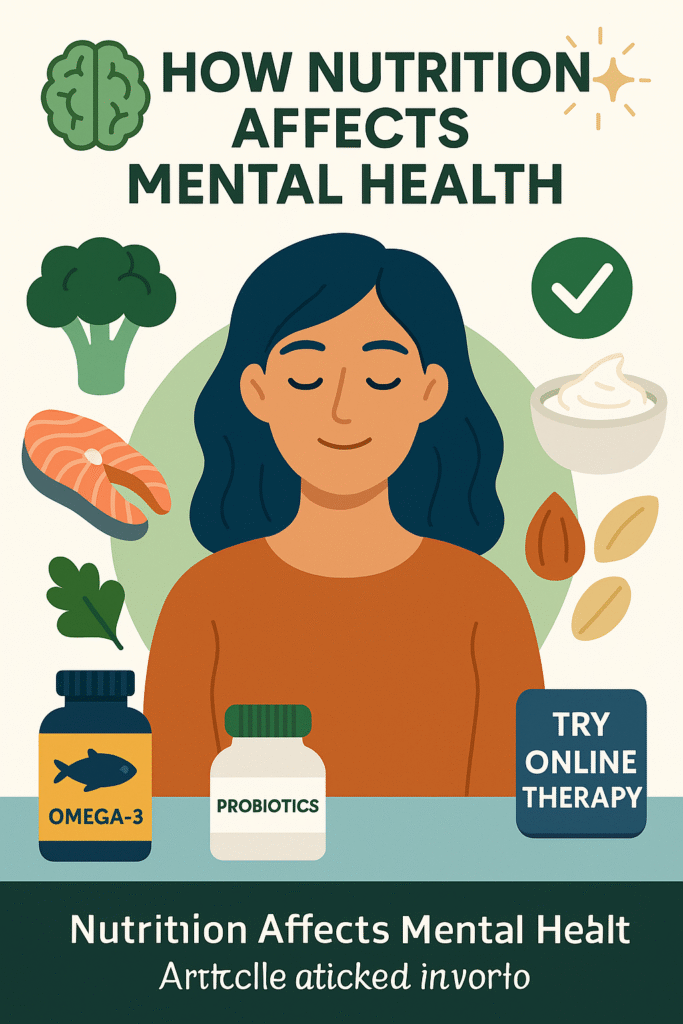
- Balanced nutrition: A healthy gut often supports a healthier mind.
- Adequate sleep: Essential for emotional balance and clear thinking.
- Sunlight exposure: Supports vitamin D levels and mood regulation.
- Social connection: Supportive relationships protect against loneliness and stress.
Important Health & Affiliate Disclaimer
The information in this article is for educational and awareness purposes only. It is not a substitute for professional medical advice, diagnosis, or treatment. Always consult your doctor, psychologist, psychiatrist, or other qualified health provider with any questions you may have regarding your physical or mental health.
This article contains affiliate links. This means that if you purchase a product through these links, Mind Care Journey may earn a small commission — at no extra cost to you. We only recommend products that are aligned with our goal of promoting genuine, responsible wellness and awareness.
Your support helps us keep our content free, meaningful, and accessible to more people who need it.