🧠 Mental Health Resources: Where to Seek Help and Support
Everyone deserves care, understanding, and access to support when facing mental health challenges. Whether you’re struggling with stress, anxiety, depression, or simply feeling overwhelmed by life, reaching out for help is not a sign of weakness — it’s an act of courage.
Healing often starts with one small step: choosing not to suffer in silence. In this guide, you’ll find trusted mental health resources, helplines, online tools, and gentle self-care products that can support your journey.
📞 Emergency & Crisis Resources (India)
If you or someone you know is in emotional distress or crisis, please consider reaching out to a helpline. These services are usually confidential, non-judgmental, and run by trained professionals or volunteers.
Key Emotional Support Helplines (India)
- iCall (TISS): 9152987821 — Free and confidential psycho-social support.
- AASRA: +91-9820466726 — Suicide prevention and crisis intervention helpline.
- Vandrevala Foundation: 1860 266 2345 / 9999 666 555 — 24×7 mental health support.
For more detailed helpline and awareness information, visit our guide: Mental Health Awareness .
🌐 Online Therapy & Professional Support
Online therapy has made mental health care more accessible than ever. You can connect with psychologists, counselors, and therapists from your home through phone, chat, or video sessions. This is especially helpful if services are limited in your area or if you feel shy about visiting a clinic in person.
What Online Therapy Can Offer
- Safe, confidential space to talk about emotions and experiences.
- Guidance from trained professionals for stress, anxiety, or relationship issues.
- Flexible options — text-based, audio, or video sessions.
How to Choose a Platform
- Look for verified or licensed mental health professionals.
- Check reviews, pricing, and privacy policies.
- Start with a trial session to see if it feels comfortable.
Start Your Healing Journey
Many people around the world use online therapy platforms (for example, services like BetterHelp or Talkspace in some regions) to speak with licensed therapists. Availability and suitability may vary based on your country, language, and budget, so always check what works best for you.
If online therapy feels like a big first step, you can begin with gentle self-help tools:
- Start mindfulness with a Breathing Timer — practice calm, slow breathing.
- Build daily habits for mental health — learn small lifestyle changes to reduce stress.
📚 Books & Journals for Self-Help
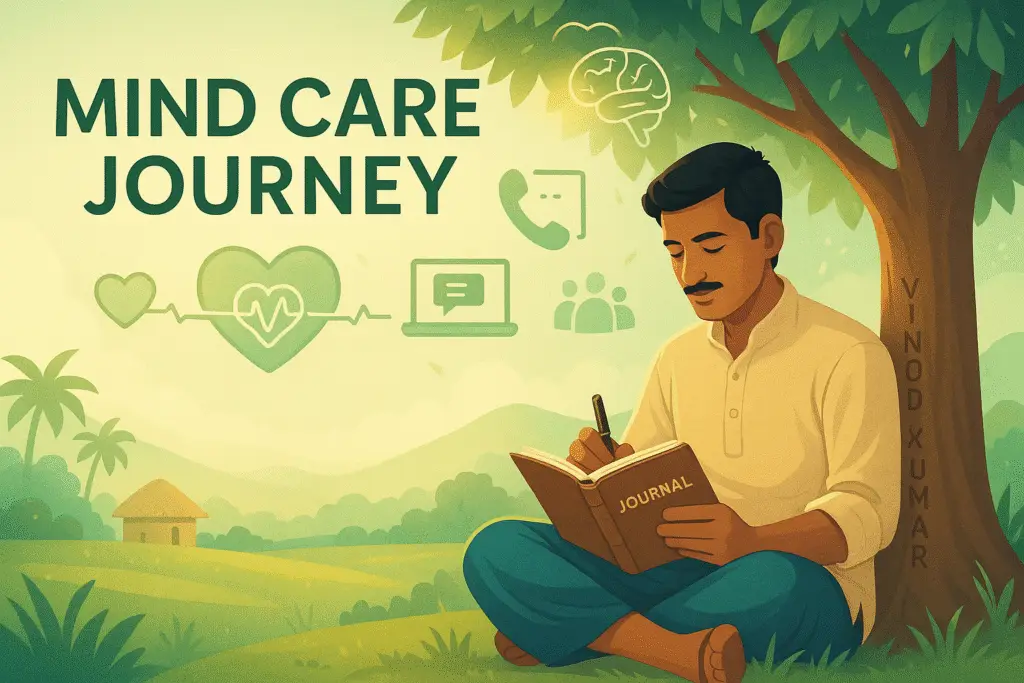
If professional help is not easily accessible, self-help resources can be a meaningful starting point. Reading, reflecting, and journaling can increase self-awareness and help you process emotions at your own pace.
Build a Gratitude Practice
Writing down what you’re thankful for, even on hard days, can gradually shift your focus toward what is still working in your life.
5-Minute Gratitude Journal →Learn About Natural Approaches
Some readers explore books that discuss natural methods for improving sleep, managing anxiety, and supporting overall wellness.
The CBD Oil Miracle →Herbal Support for Everyday Stress
Ashwagandha is a traditional Ayurvedic herb that many people use as part of their stress-management and wellness routine.
Ashwagandha Capsules →Move Your Body, Calm Your Mind
Gentle movement like yoga or stretching can help reduce muscle tension and support emotional balance.
Yoga Mat for Daily Practice →👥 Support Groups & Community Help
Sometimes the most powerful healing happens when you realize: “I am not the only one”. Support groups bring together people who share similar struggles and create a space for mutual understanding.
Where You Might Find Support
- Local groups run by NGOs, hospitals, or mental health organizations.
- Online communities and forums focused on mental wellness and recovery.
- Meditation, journaling, or spiritual circles that allow emotional sharing.
While online groups can be helpful, remember that they do not replace professional medical or psychological care. Use them as an additional source of support, not the only one.
Create a Relaxing Corner at Home
Your environment can impact your mood. A small, peaceful corner with gentle light and calming scents can make it easier to unwind after a long day.
Aromatherapy Diffuser Kit →🧠 Helpful Tools & Everyday Wellness Products
These tools do not “cure” mental health conditions, but they can support your daily routine, comfort, and focus when used alongside healthy habits and, where needed, professional care.
Herbal & Relaxation Support
- Ashwagandha Capsules – Used traditionally to support stress management.
- Aromatherapy Diffuser – For calming scents and a soothing environment.
Focus & Reflection
- 5-Minute Gratitude Journal – To develop a daily reflection habit.
- Calm Fidget Toy – A small tool some people use for managing restlessness or worry.
Mindfulness & Screen Care
- Muse Meditation Headband – A tech tool that offers feedback during meditation sessions.
- Blue Light Filter Glasses – To help reduce eye strain during long screen hours.
Gentle Support for Sleep
Relaxing before bed and having a consistent routine can improve your sleep quality. Some people also use gentle sleep-support products for a short time.
- Vicks ZzzQuil Natura Sleep Gummies – Melatonin-based sleep support for occasional sleeplessness.
- Deep Pressure Stimulation Wrap – Can provide a comforting, “hug-like” feeling for some users.
🔄 When Should You See a Mental Health Professional?
Self-help resources and wellness tools are valuable, but they cannot replace professional diagnosis or treatment. Please consider reaching out to a mental health professional if:
- Persistent sadness, anxiety, or irritability lasts for more than two weeks.
- Daily tasks like work, study, or household responsibilities feel unmanageable.
- You notice changes in sleep, appetite, or energy that worry you.
- You have thoughts of self-harm, hopelessness, or feel like giving up.
Visiting a counselor, psychologist, or psychiatrist is a sign of strength. Early support can make a big difference in recovery and long-term wellbeing.
You can also explore our guide: Mental Health and Wellness to learn how small lifestyle changes support emotional health.
🌟 Final Words of Encouragement
You are not alone in this journey. Whether you choose to talk to someone, call a helpline, start therapy, use a breathing tool, or write in a journal — every step counts. Healing is not about perfection; it is about progress and compassion for yourself.
Your mind deserves rest, kindness, and support — just like your body. Prioritize your mental wellness a little every day, in ways that feel safe and realistic for you.
This article is for educational and awareness purposes only and is not a substitute for professional medical advice, diagnosis, or treatment. Always consult a qualified healthcare professional with any questions about your mental or physical health. In case of emergency or immediate danger, contact your local emergency number or visit the nearest hospital.
Affiliate Disclaimer:
This article contains affiliate links. If you make a purchase through these links, we may earn a small commission — at no extra cost to you. These recommendations are shared for informational purposes and to support mental wellness routines. Your support helps Mind Care Journey continue creating free, awareness-based mental health content.