Childhood Institutionalization and Mental Damage
For decades, orphanages and children’s institutions were seen as a solution for abandoned or orphaned children. But decades of research, including the landmark Bucharest Early Intervention Project, have revealed a devastating truth: institutional care, especially for children under three years old, causes severe and often irreversible mental and developmental damage. The UN has since called for the global transition from institutions to family-based care.
The Science: Why Institutions Harm Brains
Human brains develop in response to consistent, loving, one-on-one care. Infants need eye contact, touch, responsive feeding, and comforting when distressed. Institutions, even well-funded ones, cannot provide this due to high child-to-caregiver ratios (often 15:1 or worse). Consequences include:
- Elevated cortisol levels: Chronic stress hormone exposure damages developing brain structures, especially the hippocampus and prefrontal cortex.
- Reduced gray matter: MRI studies show children from institutions have smaller brain volumes in emotion and cognition regions.
- Disrupted attachment: Inability to form a secure bond with a primary caregiver leads to lifelong relationship difficulties.
Mental Health Disorders Caused by Institutionalization
Inability to form emotional bonds; emotionally withdrawn, unresponsive to comfort.
Overly friendly with strangers; lack of typical wariness, wandering off with anyone.
Significantly lower IQ scores compared to family-raised peers.
Stereotypies, rocking, self-stimulation – often reversible with placement in loving families.
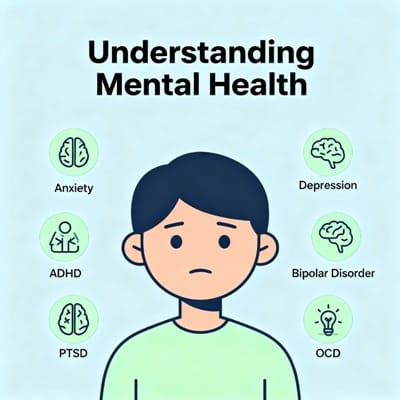
Other common outcomes: ADHD, anxiety disorders, depression, conduct disorder, and higher rates of suicide in adolescence and adulthood.
Key Research: The Bucharest Early Intervention Project
Human Rights and Global Policy Shift
The UN Convention on the Rights of the Child (Article 20) states that children deprived of a family environment are entitled to “special protection and assistance.” The UN Guidelines for the Alternative Care of Children (2009) explicitly prioritize family-based care (kinship care, foster care, adoption) over institutional placement. Over 30 countries have committed to deinstitutionalization – closing orphanages and building community-based family support systems.
What Works Instead of Institutions
- Kinship care: Supporting extended family to take in children.
- Foster care: Trained, supported foster families.
- Domestic adoption: Speeding up legal processes for children who cannot return to birth families.
- Family strengthening programs: Preventing unnecessary separation by providing poverty alleviation, parenting support, and mental health services to struggling families.
Institutions should only be used as a temporary, last resort for older children (over 6-8 years) with no other options – and even then, small group homes with consistent caregivers are preferable to large orphanages.
Explore More from MindCareJourney
Anxiety & Stress Mindfulness & Meditation Self-Care Trusted Resources📚 Recommended Tools & Resources for Mental Wellness
Explore handpicked products, books, and professional support to aid your mental health journey.
🧘 Mindfulness & Stress Relief (ClickBank) 📖 Best Book on Overcoming Depression 💡 Cognitive Behavioral Therapy Workbook 🌿 Natural Mood Support Supplement 🧠 Anxiety & Stress Management Kit 🛍️ Visit MindCareJourney ShopShare Your Perspective
I’ve placed children from orphanages. The difference after even one year in a loving family is miraculous. But we need more pre-placement support for families.
Our foster son came to us at age 4 from a large institution. Two years later, he’s learning to trust. It’s hard work but worth it. Every child deserves a family.