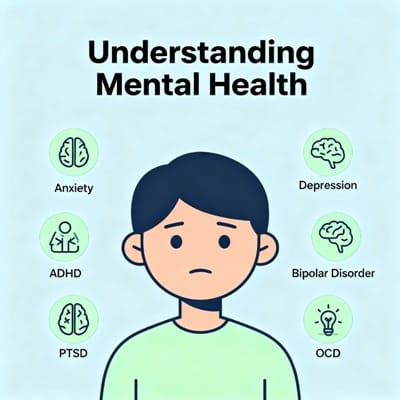
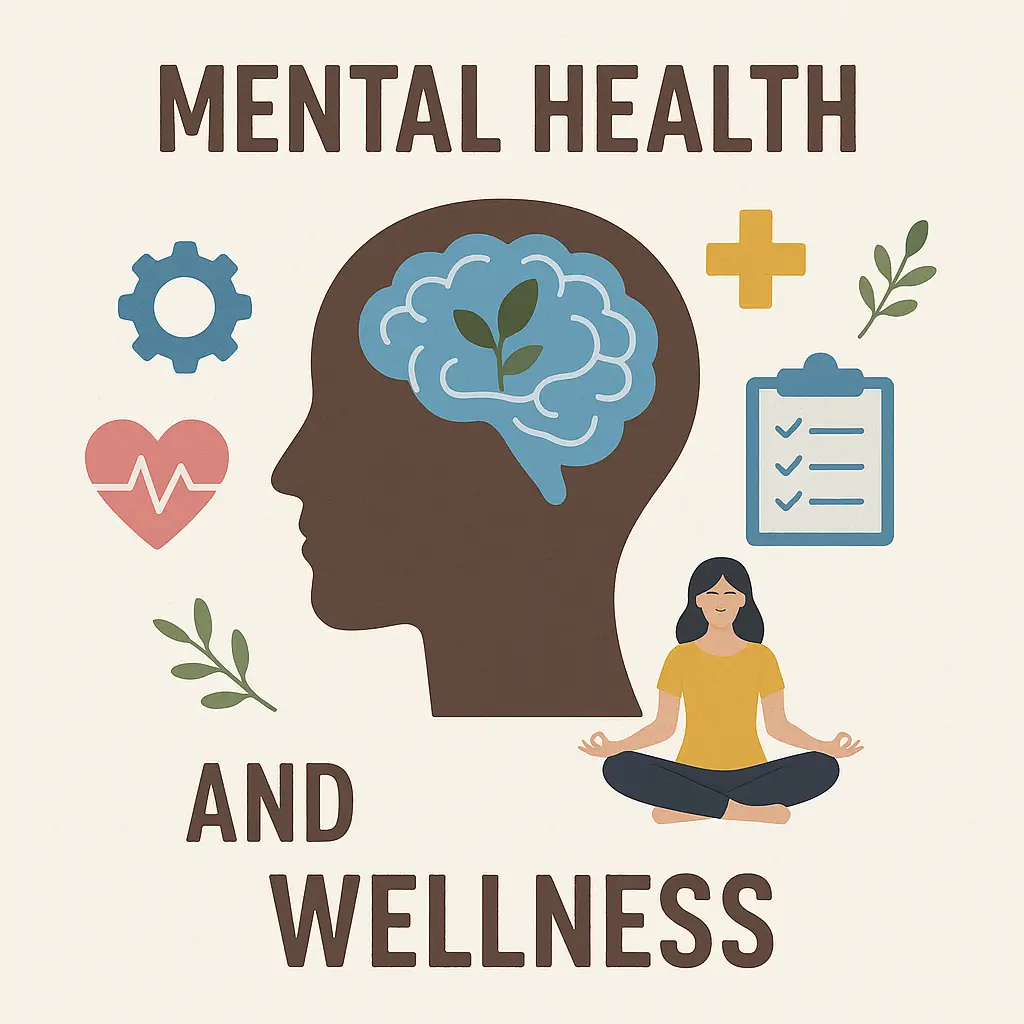
🧠 Mental Health and Wellness: The Foundation of a Balanced Life
In today’s fast-paced world, we’re constantly chasing deadlines, managing responsibilities, and carrying emotional burdens silently. Amidst all this noise, we often forget to care for the one thing that drives everything — our mental health.
Taking care of your mind isn’t a luxury; it’s a necessity. A healthy mind gives you clarity, balance, and the ability to face life’s challenges with strength and calm. When your mental health is supported, every part of life — work, relationships, physical health — starts to feel more manageable.
🌿 What Is Mental Health?
Mental health is not simply the absence of mental illness. It’s the presence of emotional, psychological, and social well-being. It affects how we think, feel, and act — how we handle stress, relate to others, and make everyday decisions.
Just like your physical body needs nourishment, your mind needs attention, care, and healing. Neglecting it can quietly erode your happiness, motivation, and even physical health. Over time, unaddressed stress and emotional pain may show up as:
- Headaches, body pain, or digestion issues.
- Sleep problems and constant tiredness.
- Irritability, anger, or emotional numbness.
- Loss of interest in things you once enjoyed.
Natural Support for Everyday Stress
Many people find gentle support in traditional herbs. One such herb is Ashwagandha, an Ayurvedic plant often used to help the body adapt to everyday stress and promote a feeling of calm and balance.
Explore Ashwagandha Supplements on Amazon →🧘 Why Mental Wellness Matters
Mental wellness is the foundation on which you build your daily life. When your mind is supported, you can handle challenges without feeling completely overwhelmed. Some core benefits of mental wellness include:
- 🧠 Better focus and creativity – You can think clearly, solve problems calmly, and make wiser decisions.
- 💞 Healthier relationships – You communicate openly, listen better, and show empathy to others and yourself.
- ❤️ Better physical health – Chronic stress is linked with many lifestyle-related illnesses. A calmer mind supports a healthier body.
- ⚡ Stronger resilience – You bounce back from setbacks, failures, and emotional pain more steadily.
🚨 Common Challenges to Mental Health
Many people experience mental health challenges without realizing it. Some ignore the signs; others feel ashamed to speak up. But these experiences are more common than we think:
- Constant fatigue, lack of motivation, or feeling “empty”.
- Mood swings, anxiety, or prolonged sadness.
- Isolation or withdrawal from family and friends.
- Trouble sleeping, overthinking, or difficulty focusing.
Sadly, these are often ignored or misunderstood, especially in rural and low-resource settings. Social stigma still stops many from asking for help — but silence should never be the answer. Just as we treat physical wounds, emotional wounds also deserve care.
Deepen Your Understanding of Natural Healing
If you are curious about natural approaches to support mood and emotional health, you may find value in books that explain them in simple language. One such resource is:
The CBD Oil Miracle – Learn about natural relief and mental clarity →Always follow local laws and talk with a healthcare professional before using any product mentioned in books or online.
🛠️ Simple Steps to Improve Mental Wellness
You do not need a perfect plan to start caring for your mind. Small, consistent actions can create powerful change over time. Start where you are, with what you have.
1. Practice Mindfulness for a Few Minutes Daily
Mindfulness means gently bringing your attention to the present moment — your breath, your body, or your surroundings — without judging your thoughts. Even 3–5 minutes can help you feel more grounded.
You can begin with simple deep-breathing exercises. Breathe in slowly through your nose, hold for a moment, and breathe out through your mouth. Repeat several times.
Use our guided Breathing Timer on Mind Care Journey to build a daily habit of deep breathing.
2. Talk It Out — You Don’t Have to Carry It Alone
Sharing your feelings doesn’t make you weak; it makes you human. Talk to someone you trust — a friend, family member, community worker, or counselor. Sometimes just putting emotions into words brings relief and clarity.
If professional support is available in your area, consider speaking to a psychologist, psychiatrist, or counselor, especially if your symptoms are affecting daily life.
3. Build a Gentle Daily Routine
Your brain feels safer when your days have some structure. You do not need a strict schedule — just a simple rhythm:
- Wake up and sleep around the same time daily.
- Eat regular, balanced meals as far as possible.
- Include some movement — stretching, walking, or light exercise.
- Keep 10–15 minutes just for yourself (reflection, prayer, journaling, or silence).
Support Your Morning Routine
A simple stretching or yoga routine can refresh your body and calm your mind, even if you have just 10 minutes.
Check out an Anti-Slip Yoga Mat →Create a Calming Space
Soft light, pleasant scents, and a clean space can make your mind feel more relaxed and focused.
Explore an Aromatherapy Diffuser Kit →4. Limit Digital Overload
Social media and constant notifications can easily drain your mental energy. If you notice that scrolling leaves you anxious or comparing your life with others, it may be time to set gentle boundaries.
- Keep some “phone-free” time — especially early morning and before bed.
- Avoid reading stressful news late at night.
- Follow accounts that uplift you, not those that make you feel less.
5. Journal Your Thoughts and Emotions
Writing is a powerful tool for emotional release. When you put your thoughts on paper, they often feel lighter and more manageable. You can write freely or use prompts like:
- “Today I am grateful for…”
- “Right now I am feeling…”
- “One small thing I can do to take care of myself is…”
Build a Gratitude Habit
A structured journal can make it easier to reflect daily, even if you are busy.
Try a 5-Minute Gratitude Journal →🧑🤝🧑 Community, Support & Connection
Human connection is essential for mental wellness. We are not meant to live in isolation. A kind word, a shared meal, or a small act of support can bring warmth to both the giver and the receiver.
You can nurture connection by:
- Checking in on a friend or neighbor who lives alone.
- Joining local groups, community meetings, or support circles if available.
- Volunteering for social, health, or education activities in your area.
Helping others often becomes a healing journey for yourself too.
Read our related post: Mental Health Awareness: The Real Strength of Your Life .
Use Technology to Support Meditation
Some devices offer real-time feedback on your meditation practice, helping you stay consistent and aware of your mental state.
Learn about the Muse Meditation Headband →🌙 Better Sleep for a Better Mind
Quality sleep is one of the most underrated tools for mental wellness. During sleep, your brain processes emotions, repairs the body, and resets your energy levels.
- Avoid screens and heavy meals close to bedtime.
- Create a calming routine — light reading, gentle music, or breathing exercises.
- Keep your bedroom dark, quiet, and as comfortable as possible.
Gentle Support for Sleep
Some people use melatonin-based sleep aids to support their sleep cycle for a short time, especially during stressful periods.
Explore Vicks ZzzQuil Natura Sleep-Aid Gummies →🩺 When Should You Seek Professional Help?
Self-care habits are important, but they are not always enough. Please consider reaching out to a mental health professional or doctor if:
- Your sadness, anxiety, or anger lasts for weeks and affects daily life.
- You find it hard to go to work, school, or manage basic responsibilities.
- You notice thoughts of self-harm, hopelessness, or giving up.
- People close to you are worried about your behavior or mood.
Seeking help is a sign of courage, not weakness. Just like you would visit a doctor for a physical illness, you deserve support for emotional pain too.
🔍 Final Thought
Mental health isn’t about being happy all the time — it’s about finding balance. Some days will be heavy, some days will be light. What matters is how gently you treat yourself in both.
You don’t have to wait until burnout to care for yourself. Start small, be kind to your mind, and grow steadily. Over time, your daily habits become a quiet, powerful form of healing.
“Healing doesn’t mean the damage never existed. It means it no longer controls your life.”
This article is for educational and awareness purposes only and is not a substitute for professional medical advice, diagnosis, or treatment. Always consult a qualified healthcare professional with any questions about your mental or physical health.
Affiliate Disclaimer:
This post contains affiliate links. If you purchase through these links, I may earn a small commission — at no extra cost to you. All products are chosen for their relevance to mental wellness. These small commissions help support Mind Care Journey and keep our content free and accessible.