🧠 How Nutrition Directly Impacts Mental Health: A Complete Guide
We all know that mental health isn’t only about our thoughts or emotions — it’s also deeply tied to what we put in our bodies. Our brains are energy-hungry organs, and like any machine, they function best when they receive the right fuel. Every bite of food we consume can either support clarity, focus, and emotional balance or contribute to fatigue, irritability, and stress.
🧠 Why Food Choices Matter for Mental Wellness
Our brain consumes roughly 20% of our daily energy. That’s a lot! Poor nutrition can leave us feeling foggy, anxious, and mentally drained. On the other hand, eating nutrient-dense foods can help regulate mood, enhance focus, and improve resilience against stress. Understanding this connection is key to a happier, more balanced life.
🥦 Nutrients That Support Emotional and Cognitive Health
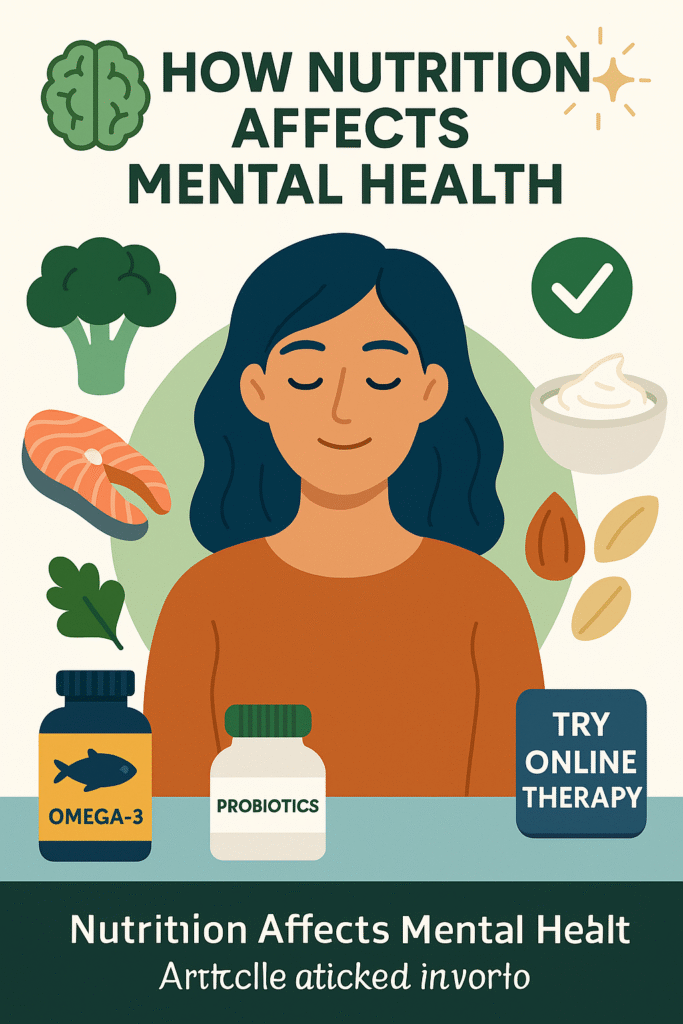
- Omega-3 Fatty Acids – Known for reducing inflammation in the brain and improving mood stability.
- B-Vitamins – Crucial for neurotransmitter function.
- Magnesium – Supports calmness, helps regulate stress hormones, and enhances sleep quality.
- Probiotics – Gut health is deeply linked to mood regulation and cognitive performance.
- Vitamin D – Helps regulate mood and supports brain function.
- Iron & Zinc – Essential for oxygen transport and neurotransmitter function.
🍽️ Top Foods to Improve Brain Function
- Fatty fish like salmon, sardines, and mackerel
- Leafy greens: spinach, kale, swiss chard
- Nuts and seeds: almonds, walnuts, pumpkin seeds
- Whole grains: oats, brown rice, quinoa
- Fermented foods: yogurt, kimchi, kefir
- Fruits rich in antioxidants: berries, oranges, apples
- Dark chocolate (in moderation) – for mood boost and alertness
🛒 Recommended Mental Wellness Products
We recommend these high-quality products to complement a healthy diet and support emotional balance:
- Ashwagandha Supplements – Natural adaptogen for stress relief and better sleep*
- The CBD Oil Miracle (Book) – Supports relaxation and anxiety management*
- The 5-Minute Gratitude Journal – Daily journaling builds positivity and mental clarity*
- Anti-Slip Yoga Mat – Provides a stable and comfortable base for exercise and meditation*
- Aromatherapy Diffuser Kit – Infuse your space with calming essential oils*
- Blue Light Filter Glasses – Protect your eyes and reduce digital strain*
- Muse Meditation Headband – Real-time feedback to deepen mindfulness practice*
- Silicone Sensory Fidget Board Toy – Help maintain focus and calmness*
- Vicks ZzzQuil Natura Sleep-Aid Gummies (Melatonin) – Supports restful sleep naturally*
🥗 How Daily Nutrition Impacts Mood
- Skipping breakfast can spike stress hormones and reduce focus.
- High sugar intake may temporarily boost energy but worsen mood swings.
- Protein-rich meals enhance neurotransmitter production and mental clarity.
💡 Practical Tips to Boost Mental Health Through Nutrition
- Start with a nutrient-rich breakfast including protein and fiber.
- Snack smartly with nuts, yogurt, or fruits instead of processed snacks.
- Include omega-3s 2–3 times a week through fish or supplements.
- Maintain gut health with fermented foods and probiotics.
- Stay hydrated; dehydration negatively affects mood and cognition.
- Track meals and feelings for 1–2 weeks to notice trends.
🧘 Nutrition + Mindfulness = Stronger Results
Combining good nutrition with mindfulness practices like meditation and journaling can expedite emotional resilience and mental clarity. Some simple daily steps include morning meditation, mindful eating, and reflective journaling.
🩺 When to Seek Extra Help
Persistent mood issues should be addressed with professional guidance. Online therapy can be a convenient and private option to complement your lifestyle changes:
Start your mental health journey with online therapy – Free Session*
📊 Real-Life Examples
- A young professional improved sleep and mood by taking magnesium and omega-3 supplements.
- A stressed student enhanced focus and lowered anxiety by adding leafy greens, nuts, and probiotics daily.
- Daily journaling with a balanced diet has boosted emotional resilience in adults facing work stress.
💬 Frequently Asked Questions
- Can nutrition replace therapy? No, but it can complement therapy and medication effectively.
- How soon do improvements show? Some changes appear in 2–3 weeks, while deep changes may take months.
- Should I take supplements? Recommended if diet lacks certain nutrients, but always consult a healthcare professional first.
🌟 Final Thoughts
Consistent, small improvements in diet coupled with mindfulness can lead to lasting emotional health benefits. Start simple: a healthy breakfast, a leafy green, or a brief meditation session can make a big difference.
*This post contains affiliate links. If you use them, we may earn a small commission at no additional cost to you. Always consult a healthcare provider before starting new supplements or therapies.*