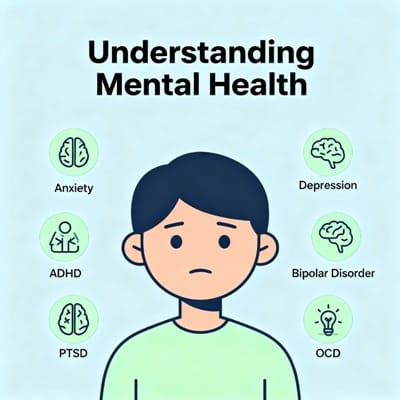
Physical & Mental Symptoms of Stress You Should Never Ignore
“It’s okay… just a little tired.”
How many times have you said this to yourself? In today’s fast‑moving life, stress has become so common that we often brush it aside. Whether you’re a student preparing for exams, an employee working long hours, or a parent juggling responsibilities — stress silently affects everyone.
👉 The truth is: Stress is not just in your mind. It affects your entire body. When stress continues for weeks or months, it starts damaging your mental and physical health. The biggest mistake most people make is ignoring the early warning signs.
In this guide, we’ll walk you through the most common mental and physical symptoms of stress — and more importantly, what you can do about them.
🧘♀️ Feeling stressed right now?
Start a 5-Minute Breathing Exercise🧠 Mental & Emotional Symptoms of Stress
Stress often begins in your mind. These symptoms are frequently ignored, but they are your brain’s way of saying “I need a break.”
1. Overthinking and Mental Loop
Do you replay past conversations or worry endlessly about the future? Overthinking creates a loop where you analyze without acting. This mental chatter drains your energy and leads to confusion, indecision, and eventually anxiety.
Check Your Anxiety Level →2. Constant Anxiety
Feeling nervous before a big event is normal. But if you feel a persistent sense of dread, cannot relax, or experience fear without a clear reason, stress has likely turned into anxiety. It may even cause physical symptoms like a racing heart.
3. Irritability and Anger
When your mind is overloaded, your patience shrinks. Small things — a loud noise, a delayed reply, a minor mistake — can trigger sudden anger or frustration. This often strains relationships at home and work.
4. Brain Fog and Lack of Focus
Forgetting simple things, missing deadlines, or feeling mentally “cloudy” are classic signs of stress. Your brain is working overtime, leaving less capacity for everyday tasks.
5. Social Withdrawal
You may start avoiding friends, canceling plans, or isolating yourself. This isn’t laziness — it’s your mind conserving energy. But prolonged isolation can worsen stress and lead to depression.
🧍 Physical Symptoms of Stress
Stress doesn’t stay in your head — it lives in your body. Here are the most common physical signs that your stress levels are too high.
1. Frequent Headaches & Body Pain
Chronic tension causes tight muscles in your neck, shoulders, and back. This often results in tension headaches, migraines, or general body aches that don’t seem to have another cause.
2. Stomach Problems
The gut‑brain connection is real. Stress can cause acidity, bloating, nausea, or even IBS. Many people experience “butterflies” or stomach pain before stressful events.
3. Fast Heartbeat & Chest Tightness
When stressed, your body releases adrenaline, making your heart pound. You may feel palpitations, sweating, or a sensation of chest pressure — which can mimic a heart attack. Always get checked by a doctor, but know that stress is a common culprit.
4. Sleep Problems
You feel exhausted but can’t fall asleep. Or you wake up in the middle of the night with a racing mind. Poor sleep is both a symptom and a cause of stress, creating a vicious cycle.
5. Appetite Changes
Some people overeat (especially comfort foods) when stressed; others lose their appetite completely. Both extremes affect your energy and mood.
🧩 Real‑Life Situations: Stress Shows Up Differently
👉 A student feels stomach pain every morning before an exam — it’s not a physical illness; it’s exam anxiety.
👉 A working professional experiences chest tightness and constant fatigue — deadlines and job insecurity are taking a toll.
👉 A parent worries about finances, loses sleep, and feels irritable with children — the weight of responsibility is showing.
These are not random problems — these are stress signals. Recognizing them is the first step toward healing.
🛠️ Simple Ways to Reduce Stress
You don’t need a complete lifestyle overhaul to start feeling better. Try these small, actionable steps:
Beyond these, remember:
- Move your body: A 10‑minute walk can reduce cortisol.
- Talk to someone: Sharing your feelings lightens the load.
- Set boundaries: Learn to say “no” when you’re overwhelmed.
- Prioritize sleep: Aim for 7‑8 hours; sleep is when your brain recovers.
❓ Frequently Asked Questions
Occasional stress is a normal part of life. But if you feel stressed every day and it’s affecting your sleep, mood, or health, it’s a sign that your stress levels are too high and need attention.
Absolutely. Chronic stress leads to muscle tension, headaches, back pain, and even heart palpitations. It can also worsen existing conditions like arthritis or asthma.
Mental exhaustion is just as draining as physical labor. Constant worrying, overthinking, and emotional stress deplete your energy reserves, leaving you fatigued.
Yes, quality sleep is one of the most effective stress‑relievers. During deep sleep, your body repairs itself and regulates stress hormones. Aim for a consistent sleep schedule.
If stress is interfering with your daily life — you can’t work, study, maintain relationships, or you’re having thoughts of self‑harm — it’s time to reach out to a mental health professional.
🌿 Final Thought
Stress is not a sign of weakness — it’s a signal from your body that something needs to change.
Don’t ignore it. Take one small step today. You deserve peace of mind and a healthy body.
Start Your Mental Health Journey →Disclaimer: This content is for informational purposes only and does not constitute medical advice. If you are experiencing severe symptoms, please consult a healthcare provider.