Diet, Nutrition & Mental Well-being
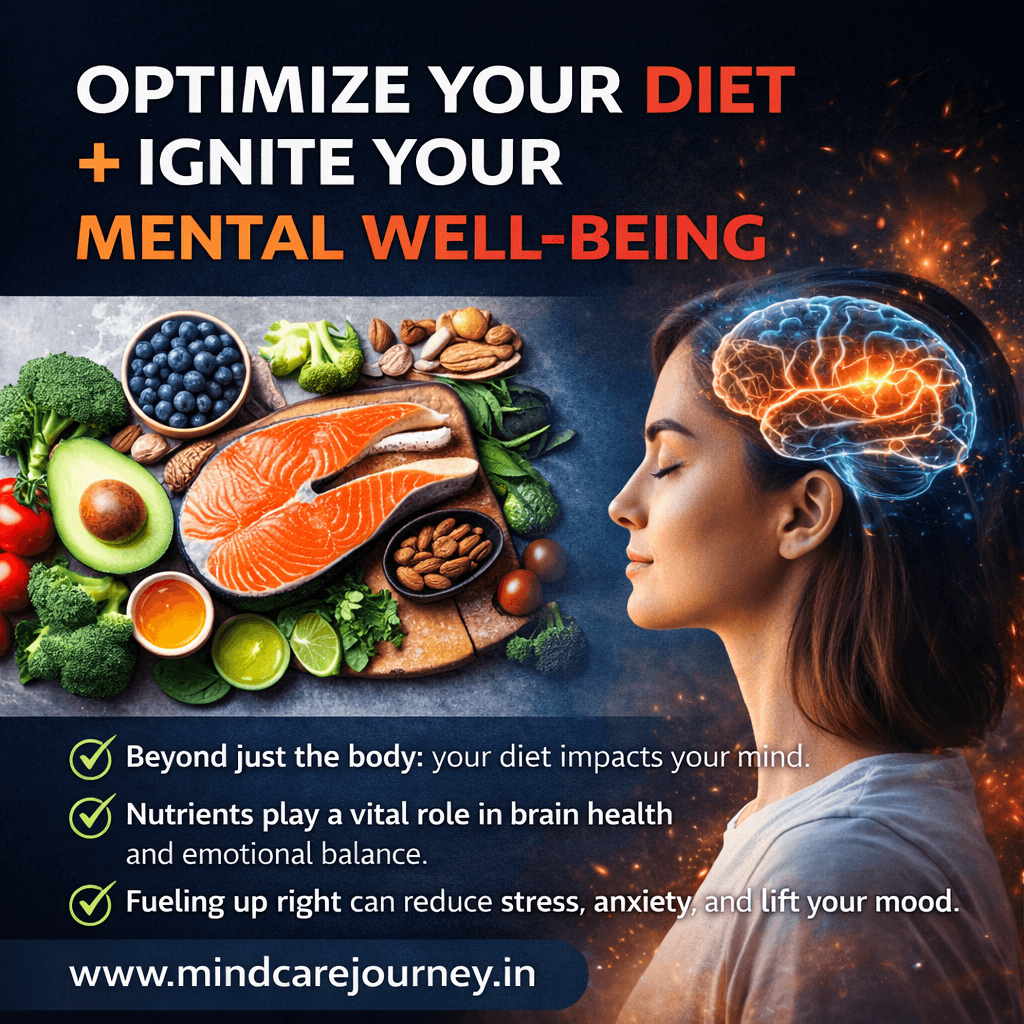
You’ve heard “you are what you eat.” But research now shows: you feel what you eat. The field of nutritional psychiatry has exploded with evidence that diet quality directly affects depression, anxiety, and cognitive function. The gut-brain axis – a bidirectional communication system between your digestive tract and your brain – means that every meal either nourishes your mental health or contributes to inflammation, oxidative stress, and mood disorders.
The Gut-Brain Connection Explained
Your gut houses trillions of bacteria – your microbiome. These microbes:
- Produce neurotransmitters: 90% of your body’s serotonin and 50% of dopamine are made in the gut.
- Influence inflammation: Harmful bacteria trigger systemic inflammation, a known driver of depression.
- Communicate via the vagus nerve: Direct neural pathway from gut to brain.
- Impact stress response: Dysbiosis (imbalanced microbiome) elevates cortisol and anxiety.
Ultra-processed foods, artificial sweeteners, and low-fiber diets damage the microbiome. Whole plant foods, fermented foods, and fiber nourish it.
Foods That Harm Mental Health
Ultra-processed foods
Fast food, packaged snacks, sugary cereals
Refined sugars
Sodas, sweets, white bread – cause blood sugar crashes and inflammation
Fried & trans fats
Increase oxidative stress and impair brain function
Artificial sweeteners
Aspartame, sucralose – linked to depression and anxiety in some studies
Brain-Boosting Nutrients and Foods
- Omega-3 fatty acids (EPA/DHA): Fatty fish (salmon, mackerel, sardines), walnuts, flaxseeds. Reduces inflammation and supports neuron health.
- B vitamins (B6, B9, B12): Leafy greens, legumes, eggs, fortified cereals. Critical for neurotransmitter synthesis.
- Vitamin D: Sunlight, fatty fish, fortified dairy. Low vitamin D is strongly linked to depression.
- Magnesium: Dark chocolate, almonds, spinach, pumpkin seeds. Calms the nervous system.
- Zinc: Oysters, beef, chickpeas, cashews. Low zinc correlates with depression severity.
- Polyphenols & antioxidants: Berries, dark chocolate, green tea, turmeric. Reduce oxidative stress.
- Fermented foods: Yogurt, kefir, kimchi, sauerkraut, kombucha. Support healthy gut bacteria.
Evidence from Major Studies
- Longitudinal studies: High consumption of ultra-processed foods increases depression risk by 20-50%.
- Meta-analyses: Adherence to healthy dietary patterns reduces depression risk by 30%.
- Mechanistic studies: Sugar causes neuroinflammation and reduces BDNF (brain-derived neurotrophic factor), a protein essential for neuroplasticity.
Practical Dietary Changes for Better Mental Health
- Eat the rainbow: Aim for 5-7 servings of colorful vegetables and fruits daily.
- Swap refined carbs for whole grains: Brown rice, quinoa, oats, whole wheat bread.
- Include fatty fish 2-3 times per week. Vegetarian? Add algae-based omega-3 supplements.
- Ferment something daily: A serving of yogurt or kimchi can transform your gut.
- Hydrate with water, not soda. Even mild dehydration impairs mood and concentration.
- Limit caffeine after noon. Caffeine can worsen anxiety and disrupt sleep.
- Cook at home more often. Home-cooked meals have less sugar, salt, and unhealthy fats.
Explore More from MindCareJourney
Anxiety & Stress Mindfulness & Meditation Self-Care Trusted Resources📚 Recommended Tools & Resources for Mental Wellness
Explore handpicked products, books, and professional support to aid your mental health journey.
🧘 Mindfulness & Stress Relief (ClickBank) 📖 Best Book on Overcoming Depression 💡 Cognitive Behavioral Therapy Workbook 🌿 Natural Mood Support Supplement 🧠 Anxiety & Stress Management Kit 🛍️ Visit MindCareJourney ShopShare Your Experience
I cut out processed sugar for 30 days. My anxiety dropped dramatically. I didn’t expect such a big change.
I’ve seen clients reduce depression scores by 40% just by switching to a Mediterranean diet. Food is medicine.